The Twentieth Century gives me real insights into human and social issues that are still current in the 21st century.
Through the works of the twentieth century writers that we have explored this semester, I have affirmed the power of language and its ability to convey human experiences that resonate across time. For all the advancements of technology and knowledge, the components of the human condition remain unchanged.
In my first blog I took inspiration from Hopkins’ poetic style to pursue an experimentation with the power of language. It was an alliterative poem that travelled from the first letter of the alphabet to the last. The manner in which the words rolled off the tongue was satisfying to experience, alongside the process of discovery that came with determining the appropriate words for each line. It heightens my respect for the work of great writers that I’ve studied this semester, it takes dedication and skill to capture experience in such a powerful manner.
My second blog reflected on the war memorial at the Menin Gate and Sassoon’s grim despair at its inadequacies. It challenged my own understanding of memorials and their purpose and recognised the trauma that warfare left upon a generation of young men. It is likely that what Sassoon endured was so painful that any such reminders that seemingly covered its barbarity was too much to bear. Questions of morally justified conflict and the horrors of war are continued considerations to this very day. This very week new information continued to come in about the alleged murders of civilians in Afghanistan by Australian SAS troops. The manner in which war is presented and its consequences hidden undoubtedly continues into the 21st Century.
I conducted some experimentation with vivid imagery in my third blog, as a response to Picasso’s Nude in a Rocking Chair. It is both a fascinating and confronting piece and I was proud to be able to capture some measure of its sentiment. As I noted in my analysis of the piece, there is an undercurrent of fear and anger that is wholly truthful to Picasso’s deepest feelings and experience. This twentieth century piece unquestionably spoke to me here in the twenty-first. The reflection of modernist concerns and the fragmentation of life and experience have become most apparent this year with the onset of the global pandemic.
My fourth blog was a response to Yeats “The Lake Isle of Innisfree”, a reflection on the tranquillity to be found in the natural world. In the midst of the turmoil and bustle that modern urban life entails, like Yeats I have a spiritual retreat that my mind drifts to for sustenance. A farm in the Hunter Valley, removed from noise, pollution and confusion that I am fortunate enough to visit at least twice at year. His description resonated with my own experience of the value of this connection, indeed this issue may be of even greater importance with the advent of social media and a constant pressure to be always connected.
My final blog was a return to a reflection upon writing and the power of language. The manner in which something is written and described changes the way in which it is perceived and understood. It is the medium by which we communicate and understand each other, which means it holds incredible power.
In this unit I’ve appreciated how this can be used for the highlighting of important experiences and ensuring that all can gain the opportunity to be heard. My own experience also recognises that this power of words can be abused, as the contemporary political environment around the world ever increasingly resorts to manipulation and misrepresentation; a social issue very much current in the twenty-first century!
“The words of the reckless pierce like swords, but the tongue of the wise brings healing.”
Proverbs 12:18
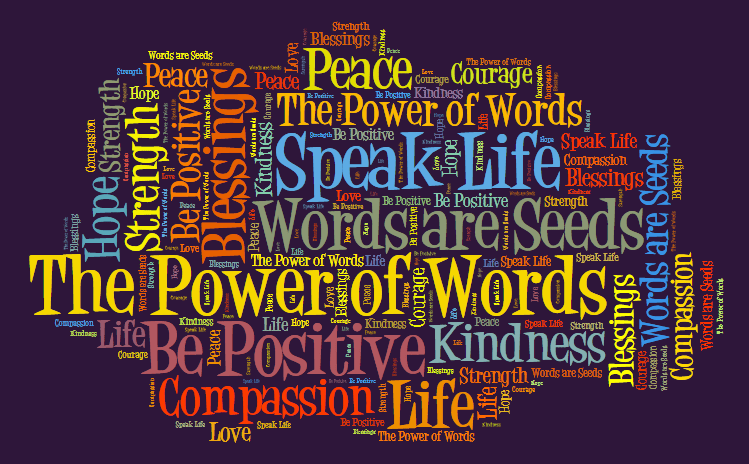
Avināśh Digital Image Accessed from https://jaagruti.files.wordpress.com/2010/06/powerofwords.png
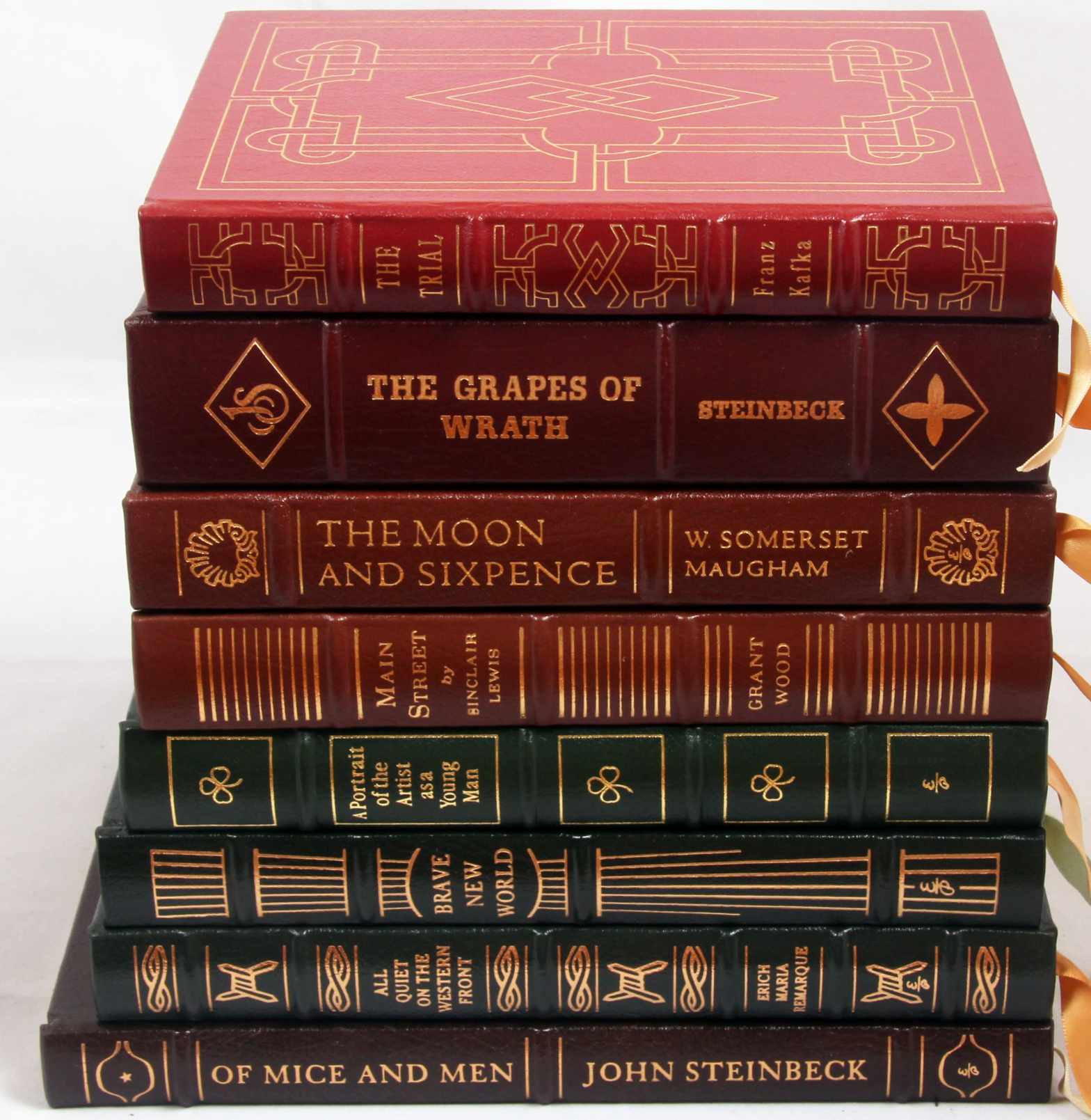
Featured image: Nick Harville Libraries Digital Image http://www.nickharvilllibraries.com/uploads/1/2/9/0/12901258/s765174404338914460_p820_i4_w2560.jpeg
 Andrew Colman: Adventures in Literature


Andrew this is a great Summative entry. I loved your appreciation for the way Hopkins inducted you into a new way of writing creatively! And the way this discovery in fact enhanced you own evaluation of Hopkins’s own methods. That is exactly the hoped for outcome of such a creative exercise! Try it when you are a teacher!
Your reflections on Sassoon and Picasso were also quite inspiring and demonstrate your engagement with the statement at the start of your Summative. I also loved your concluding quote from Proverbs! a powerful and strikingly relevant conclusion!
*Please attend to editing your work carefully. Here is what I have picked up:
*…that modern urban life entails, like Yeats I have a spiritual retreat= that modern urban life entails. Like Yeats I have a spiritual retreat – see http://www.englishforeveryone.org/Topics/Run-On-Sentences.htm
LikeLike