You’ve done an amazing job of capturing the (very flawed) thoughts of Mars in this moment. I appreciate the way you have captured his arrogance so that almost the entirety of his thoughts revolves around himself. It reflects the painting itself, how Rhea is depicted in cool blues and white while being surrounded with the hot reds of Mars. Considering how he’s lifted a shawl which covered her, the words you’ve given him ring even more hollow in an effective way. The choice to place the final line in a paragraph of its own is a nice emphasis that is ominously chilling.
Summative Entry
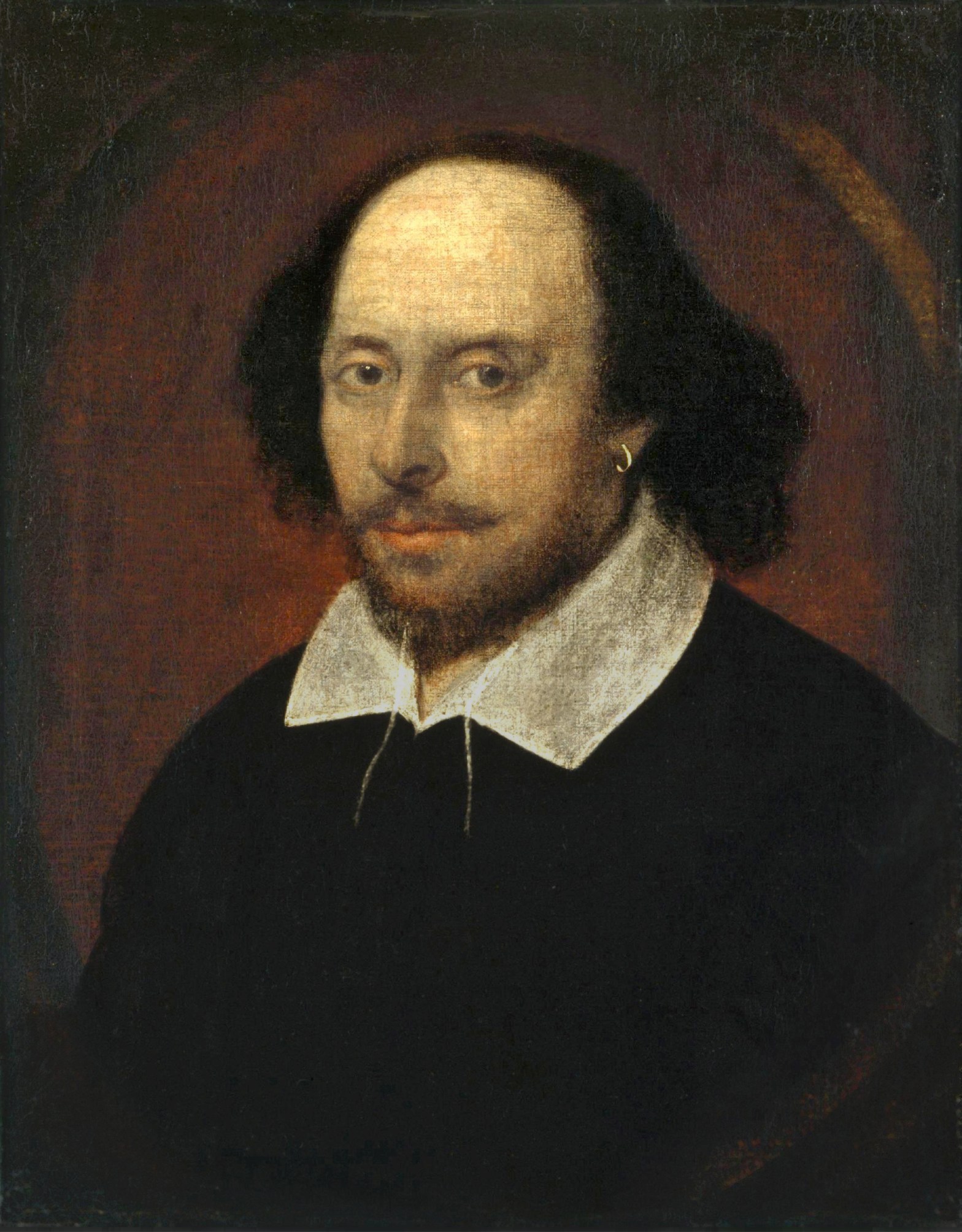
As I reflect upon my experiences in this Shakespeare unit, it comes with a multitude of feelings that are strangely apt for what Shakespeare has to tell us. It is the final semester of my Bachelor of Arts before I go on to obtain my Masters in Teaching but it is also Michael Griffith’s last semester. The first class I took at ACU was with Michael and now so is the last class. Shakespeare had much to say about such endings, let’s take the time to reflect upon them:
My first blog was an examination of the Fool from Twelfth Night. The Fool is one of Shakespeare’s examples of the wisdom that comes with not taking yourself too seriously. For all his banter and innuendo, he is able to highlight flaws in the other characters that they may not be aware of themselves and without drawing their ire. I would argue that part of the reason I sense that he is so capable in doing is that he knows himself best out of any of the characters. As Feste himself says ‘cucullus non facitmonachum’ – the cowl makes not a monk. This is a vital component to living a fulfilled life here in the 21st century, to understand and accept yourself. It is only when you can do that do you have the best opportunity to then help others.
My second blog reflected on our excursion to the State Library, particularly the Shakespeare Room and the statue amidst the highway. Shakespeare’s ongoing presence speaks much to the universality of his works. The ideas he explores of love, revenge, forgiveness, jealousy, desire, ambition and many more beside are as relevant today as they were the day he put quill to paper to write about them.
And all the men and women merely players:
All the world ’s a stage,
They have their exits and their entrances;
And one man in his time plays many parts,
As You Like It 2.7.139-143
The inscription upon his statue is a timely reminder that this is a transient existence and his plays send us messages about what comprises a meaningful, satisfying life in our time upon the stage. When one stage in my journey ends so another begins, much as the figures in the stained-glass windows of the Shakespeare Room. Our final play, The Tempest, has two apt quotes for such moments that I will leave on. Shakespeare has enduring relevance that continues to offer us meaning in the 21st Century.
There be some sports are painful, and their labour
Delight in them sets off. Some kinds of baseness
Are nobly undergone, and most poor matters
Point to rich ends. (III.i.1-4)
The Tempest 3.1.1-4
We are such stuff
As dreams are made on, and our little life
Is rounded with a sleep. (IV.i.148–158)
The Tempest 4.1.148-158
Shakespeare and The Renaissance Blog 2
What touched you most in your visit to the State (Mitchell) Library, the Shakespeare Room and the Shakespeare sculpture today?
The Shakespeare memorial that stands outside the State Library was striking. Risking life and limp, we dashed across the busy highway entry point to the median strip where it stands. Shakespeare stands above several of his seminal characters; Romeo and Juliet, Othello, Portia and Falstaff. We were informed during our seminar that it was commissioned on the impetus of the Shakespeare society.
Our revels now are ended. These our actors,
As I foretold you, were all spirits and
Are melted into air, into thin air:
And, like the baseless fabric of this vision,
The cloud-capp’d towers, the gorgeous palaces,
The solemn temples, the great globe itself,
Yea, all which it inherit, shall dissolve
And, like this insubstantial pageant faded,
Leave not a rack behind. We are such stuff
As dreams are made on, and our little life Is rounded with a sleep.
The Tempest Act IV. Sc. 1
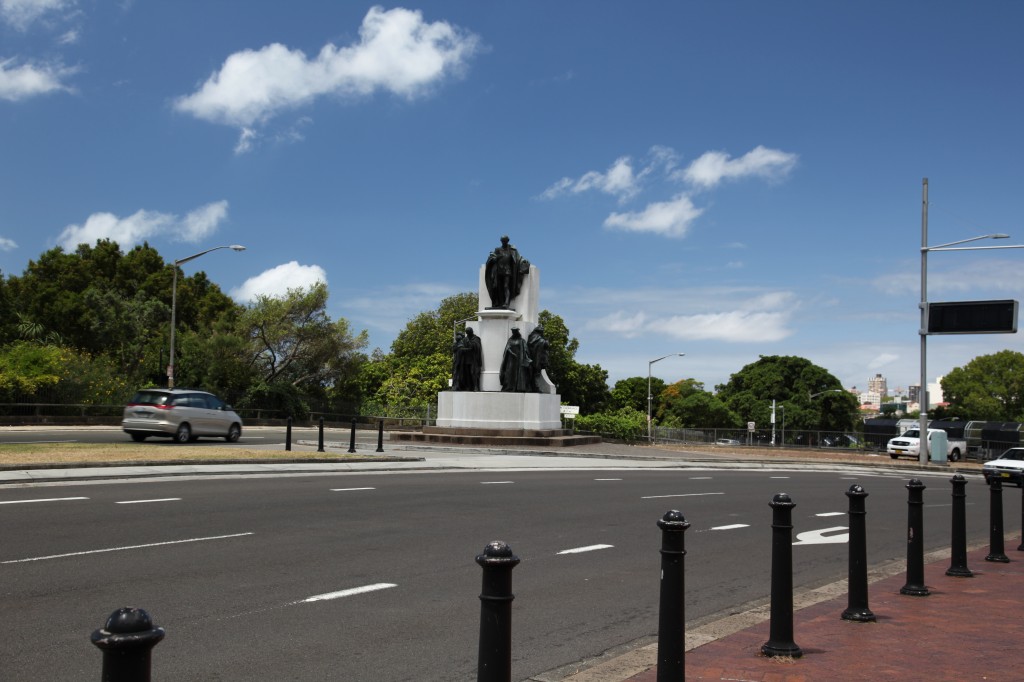
When Michael read aloud this inscription for us, it provoked a sense of curious questioning within me. It was a poignant choice to place upon the memorial. The Tempest being one of Shakespeare’s last plays, it serves in many ways as a retirement speech reflecting upon his time on the stage. It is a metaphor that extends throughout the Tempest to examine the theatre of life. Much as Shakespeare has died, so will we. Yet his thoughts and voice continue far beyond when he is gone, perhaps ours will be the same.
It was thus ironic to note its position in the centre of a highway on ramp amongst slabs of concrete. In the same way as “The cloud-capp’d towers, the gorgeous palaces,” will dissolve, so to will that road and perhaps the statue with it. Yet I am confident the ideas it carries will live on far beyond that time.
IIn much the same vein I took special note of the stained-glass windows in the Shakespeare room itself, located in the Mitchell Wing of the State Library. They depict the seven ages of man, derived from As You Like It.

ALL the world ’s a stage,
As You Like It, Act II. Sc. 7
And all the men and women merely players:
They have their exits and their entrances;
And one man in his time plays many parts,
His Acts being seven ages. At first the Infant,
Mewling and puking in the nurse’s arms.
Then the whining School-boy, with his satchel
And shining morning face, creeping like snail
Unwillingly to school. And then the Lover,
Sighing like furnace, with a woful ballad
Made to his mistress’ eyebrow. Then a Soldier,
Full of strange oaths, and bearded like the pard;
Jealous in honor, sudden and quick in quarrel,
Seeking the bubble reputation
Even in the cannon’s mouth. And then the Justice,
In fair round belly with good capon lined,
With eyes severe, and beard of formal cut,
Full of wise saws and modern instances,—
And so he plays his part. The sixth age shifts
Into the lean and slippered Pantaloon,
With spectacles on nose, and pouch on side;
His youthful hose, well saved, a world too wide
For his shrunk shank; and his big manly voice,
Turning again toward childish treble, pipes
And whistles in his sound. Last scene of all,
That ends this strange eventful history,
Is second childishness and mere oblivion,
Sans teeth, sans eyes, sans taste, sans everything.
It provokes similar reflections on life and our purpose here. Perhaps not answers, but certainly they help provide timely reminders of our mortal coil. Through them I can recognise both life’s great splendour and intensity of purpose and simultaneously its illusion as merely a stage.
Peer Review 1
Thank you for writing this Georgia, I really enjoyed reading it. You’ve done a great job of re-imagining Petrarch’s words from Rima 140. The metaphorical description of a love as an entity that is birthed clawing and grinding is very striking. The tone you’ve established creates this eerie sense of macabre beauty that really reflects some of the poet’s musings on unattainable love. I particularly like “One drives the dagger whilst one bares the heart” and the ironic sense of unity in purpose this provokes. The ending to your work is quite powerful; the concurrent acknowledgement of love’s futility and the need for it within our lives despite that acknowledgement leaves plenty of food for thought.
Shakespeare & The Renaissance Blog 1
Which character in 12th Night do you feel most attracted to? Can you describe the character and say what it is in particular that draws your interest.
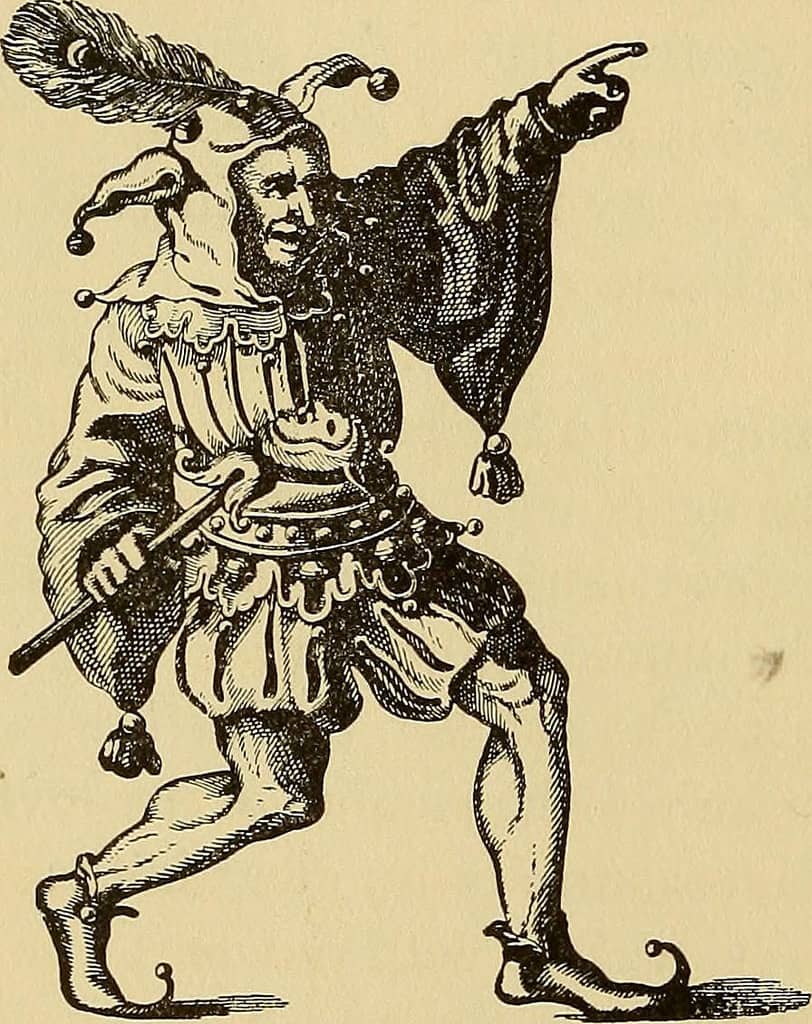
Surprisingly, or perhaps not surprisingly as we shall discuss, I find myself most interested in the character of Feste. Ostensibly Olivia’s fool, as he states “cucullus non facitmonachum” (I.v., the cowl makes not a monk). Feste’s playful, yet insightful observations on the characters he encounters lie at the core of Twelfth Night. Hidden beneath the puns and innuendo is a wisdom that has been concealed by foolishness. In so doing, he can openly challenge the ideas and attitudes of others without invoking their wrath.
But as well? Then you are mad, indeed, if you be no
better in your wits than a fool (IV.ii.)
A fine example of such is his ability to highlight Orsino’s flaws to him, a man in love with an idolised idea he has constructed within his head. He subtly suggests that Orsino is in love with the notion of falling in love.
“Foolery, sir, does walk about the orb like the sun, it shines everywhere” (III.i.)
Viola recognises this talent in Feste, which Shakespeare uses as another subtle nod to her own capabilities in comparison to the nonsensical ideas of other characters.
“…This is a practice
As full of labour as a wise man’s art,
For folly, that he wisely shows is fit,
But wise men, folly-fall’n, quite taint their wit” (III.i.)

Summative Entry
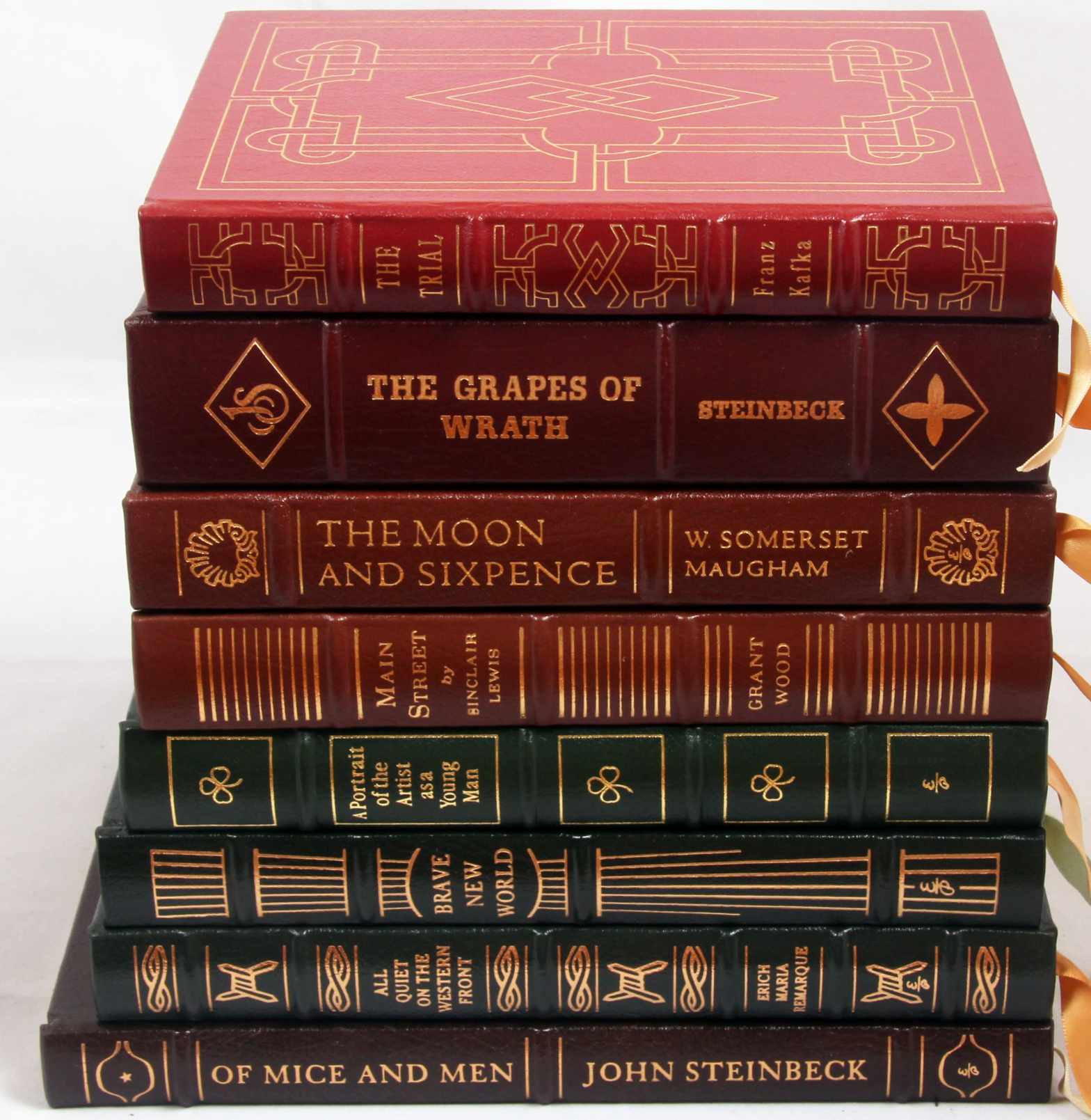
The Twentieth Century gives me real insights into human and social issues that are still current in the 21st century.
Through the works of the twentieth century writers that we have explored this semester, I have affirmed the power of language and its ability to convey human experiences that resonate across time. For all the advancements of technology and knowledge, the components of the human condition remain unchanged.
In my first blog I took inspiration from Hopkins’ poetic style to pursue an experimentation with the power of language. It was an alliterative poem that travelled from the first letter of the alphabet to the last. The manner in which the words rolled off the tongue was satisfying to experience, alongside the process of discovery that came with determining the appropriate words for each line. It heightens my respect for the work of great writers that I’ve studied this semester, it takes dedication and skill to capture experience in such a powerful manner.
My second blog reflected on the war memorial at the Menin Gate and Sassoon’s grim despair at its inadequacies. It challenged my own understanding of memorials and their purpose and recognised the trauma that warfare left upon a generation of young men. It is likely that what Sassoon endured was so painful that any such reminders that seemingly covered its barbarity was too much to bear. Questions of morally justified conflict and the horrors of war are continued considerations to this very day. This very week new information continued to come in about the alleged murders of civilians in Afghanistan by Australian SAS troops. The manner in which war is presented and its consequences hidden undoubtedly continues into the 21st Century.
I conducted some experimentation with vivid imagery in my third blog, as a response to Picasso’s Nude in a Rocking Chair. It is both a fascinating and confronting piece and I was proud to be able to capture some measure of its sentiment. As I noted in my analysis of the piece, there is an undercurrent of fear and anger that is wholly truthful to Picasso’s deepest feelings and experience. This twentieth century piece unquestionably spoke to me here in the twenty-first. The reflection of modernist concerns and the fragmentation of life and experience have become most apparent this year with the onset of the global pandemic.
My fourth blog was a response to Yeats “The Lake Isle of Innisfree”, a reflection on the tranquillity to be found in the natural world. In the midst of the turmoil and bustle that modern urban life entails, like Yeats I have a spiritual retreat that my mind drifts to for sustenance. A farm in the Hunter Valley, removed from noise, pollution and confusion that I am fortunate enough to visit at least twice at year. His description resonated with my own experience of the value of this connection, indeed this issue may be of even greater importance with the advent of social media and a constant pressure to be always connected.
My final blog was a return to a reflection upon writing and the power of language. The manner in which something is written and described changes the way in which it is perceived and understood. It is the medium by which we communicate and understand each other, which means it holds incredible power.
In this unit I’ve appreciated how this can be used for the highlighting of important experiences and ensuring that all can gain the opportunity to be heard. My own experience also recognises that this power of words can be abused, as the contemporary political environment around the world ever increasingly resorts to manipulation and misrepresentation; a social issue very much current in the twenty-first century!
“The words of the reckless pierce like swords, but the tongue of the wise brings healing.”
Proverbs 12:18
Avināśh Digital Image Accessed from https://jaagruti.files.wordpress.com/2010/06/powerofwords.png
Featured image: Nick Harville Libraries Digital Image http://www.nickharvilllibraries.com/uploads/1/2/9/0/12901258/s765174404338914460_p820_i4_w2560.jpeg
Peer Review #4
In this review I look at Georgia’s insightful discussion of Yeat’s Second Coming.
Georgia, thank you for this piece, I heartily agree with your sentiments. I am in admiration for the research you have conducted in supporting your thoughts, both contemporarily and in the context of Yeats, following the First World War, Spanish flu and the Irish fight for independence. It is excellent in supporting your thoughts. I would also love to share something for your analysis. The lines that spoke most to me were
“The best lack all conviction, while the worst
Are full of passionate intensity.”
I find it strangely empowering; I see it is a reminder that the capability lies within the best of humanity to face the apocalypse if they answer that call. It is something I have seen in reports the world over, whether small acts of kindness or the bravery of so many medical staff in the pandemic. If I find any comfort in the current relatability of his writing, it is in the knowledge that eventually, just like the events he so vividly describes, the current darkness will someday end. Perhaps Yeats vision was prophetic with his description of the gyres that spin in and out.
Blog #5: A Web of Words
Write a poem or a short prose passage that illustrates the ways in which language can be both a prison and a release from prison.
I weave a web of words
Or perhaps merely a pattern
Soft sounds to rival the birds
Power to flatten a mountain.
An invisible cage
Or translucent wings
Unable to gauge
If Icarus sings.
Words trammel and herd
Words absolve and liberate
Words clear and slurred
Words trivial and of weight
Painting a beautiful scene
Horrors thought unspeakable
Inscribed in stone or on the screen
In every form conceivable
Floating in the air
Carved upon the heart
Sentiment laid bare
Thoughts pulled apart
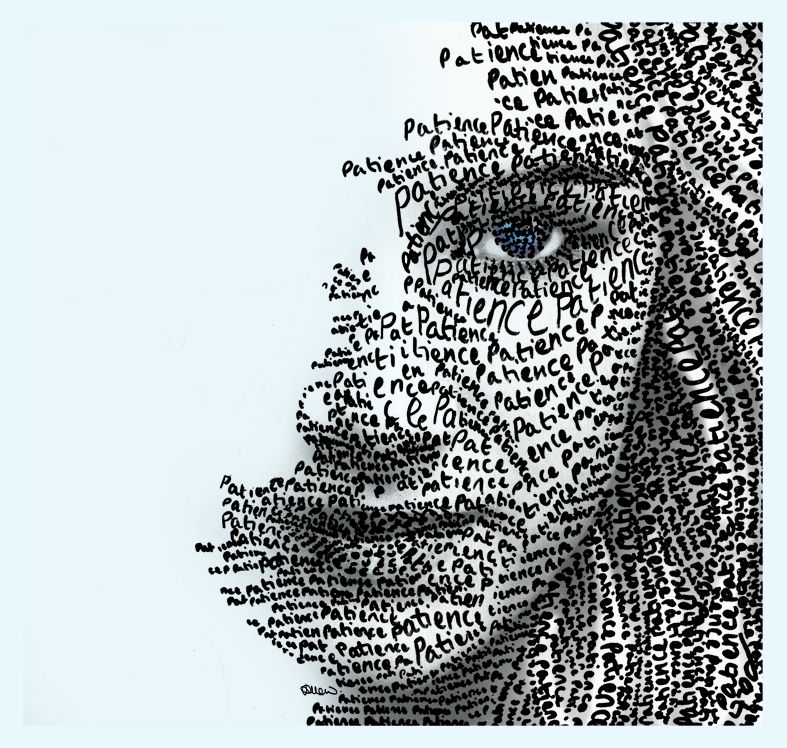
Language is a fascinating thing. We accord to it incredible power and organise our live around it. It has the ability to capture the essence of something. That same act can nevertheless also diminish the value or the nature of something. The more a word is repeated, ironically the more meaningless it become. But words can break hearts and heal wounds, start wars and end them, create a sense of belonging or cause someone to question the nature of their identity. I hoped to capture an element of all these concepts in this brief poem, alluding to the story of Icarus, a caution that language is a wonderful tool, but one that we must be conscious in using.
Peer Review #3
Thank you for your honest and open reflection on the anxiety that comes with the unknown. You’ve made an excellent choice of poem, I think it’s fair to say that most people can experience that sense of vulnerability seen in Eliot’s work, I know that I have as well. I remember the first time I started attending university, I had a very similar reaction to the one that you described. It is a gnawing, unpleasant feeling that can feed upon itself if not confronted. To add to what you’ve observed, something I really value about this poem are all the references it makes to other works and artists; Michelangelo, Alighieri’s Dante’s Inferno, Shakespeare’s Prince Hamlet. I wonder if it is a reflection of Eliot’s own struggles, that even the most accomplished amongst us can feel that sense of doubt, that we consider ourselves inadequate.
https://acencic.wordpress.com/2020/08/28/blog-post-3/
Blog #4: A Search For Nature’s Tranquility
Do any of Yeats’ poems connect with your own personal experience? Select one of Yeats’ poems ( or a section thereof) and discuss how the poem connects with your own understanding of the world in which we live.
The Lake Isle of Innisfree
I will arise and go now, and go to Innisfree,
And a small cabin build there, of clay and wattles made;
Nine bean-rows will I have there, a hive for the honey-bee,
And live alone in the bee-loud glade.
And I shall have some peace there, for peace comes dropping slow,
Dropping from the veils of the morning to where the cricket sings;
There midnight’s all a glimmer, and noon a purple glow,
And evening full of the linnet’s wings.
I will arise and go now, for always night and day
I hear lake water lapping with low sounds by the shore;
While I stand on the roadway, or on the pavements grey,
I hear it in the deep heart’s core.
William Yeats, 1890
The Lake Isle of Innisfree is a poem by William Yeats that reveals his desire to leave the mire of the urban environment in which he resides for the spiritual nourishment which a connection with nature provides. I have great cause to empathise with Yeats’ desire in my own experience.
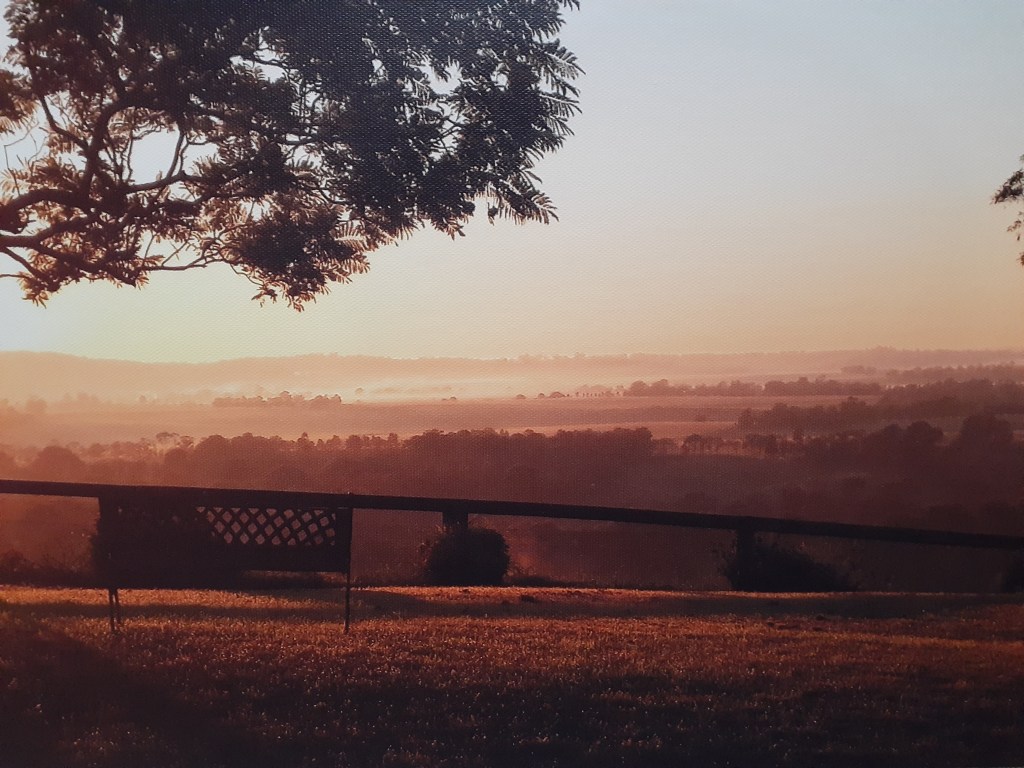
My grandparents live on a farm in the Hunter Valley, in a house on the crest of a hill that overlooks the Hunter River. For all of my living memory, this place has been one of reflection and reconnection with nature. It is a place that I have visited at least twice a year at Christmas and Easter, often more.
The cadence of the poem induces a sense of tranquility reminiscent of my own experience, aided by the imagery of:
for peace comes dropping slow
Dropping from the veils of the morning to where the cricket sings
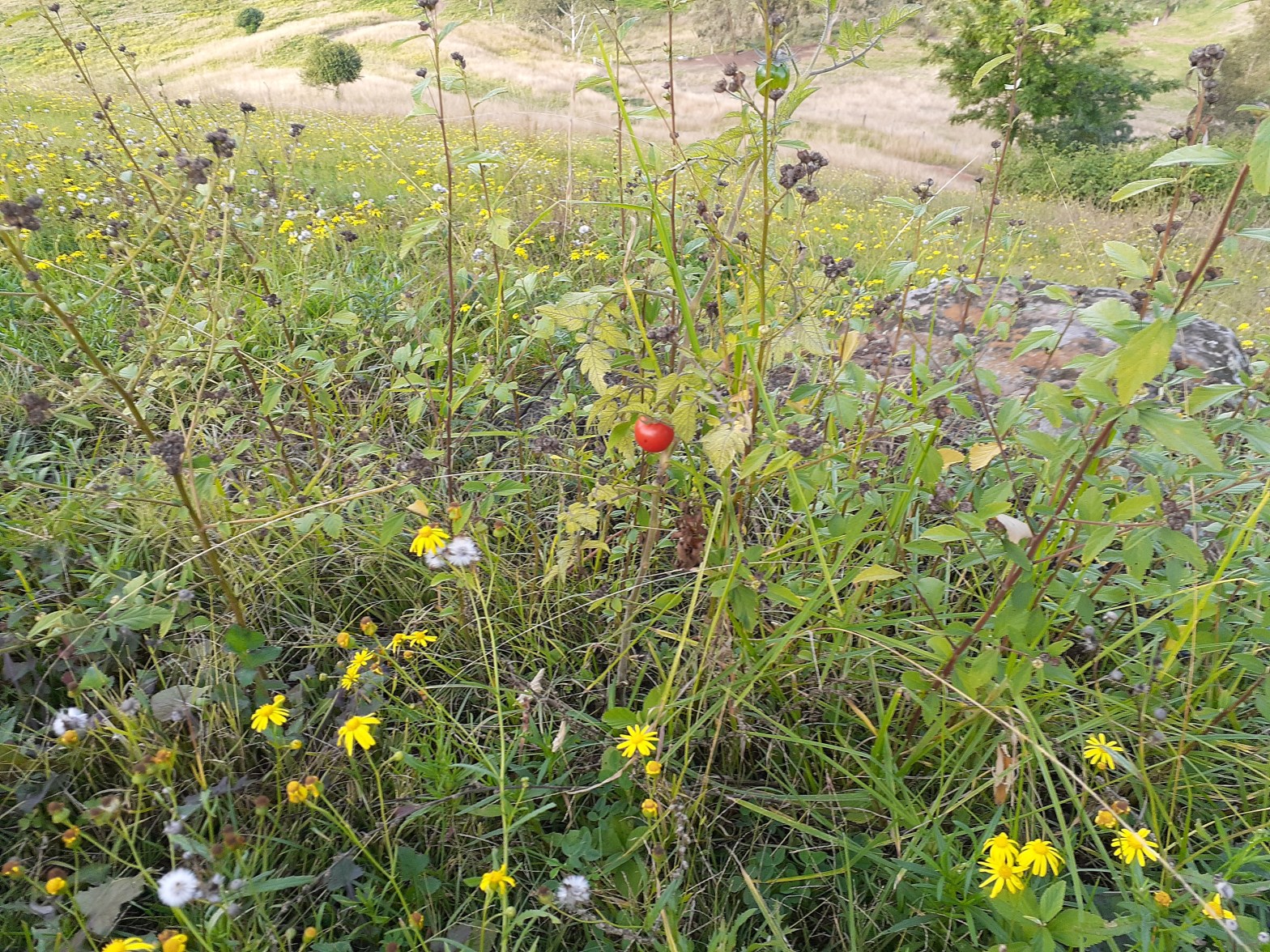
I know intimately of what Yeats describes, his words immediately bringing me back to this experience. I have a selection of photos I’ve taken that I think convey it better than any words I could bring to bear.
That desire for a place of stillness is also well evidenced:
While I stand on the roadway, or on the pavements grey,
I hear it in the deep heart’s core.
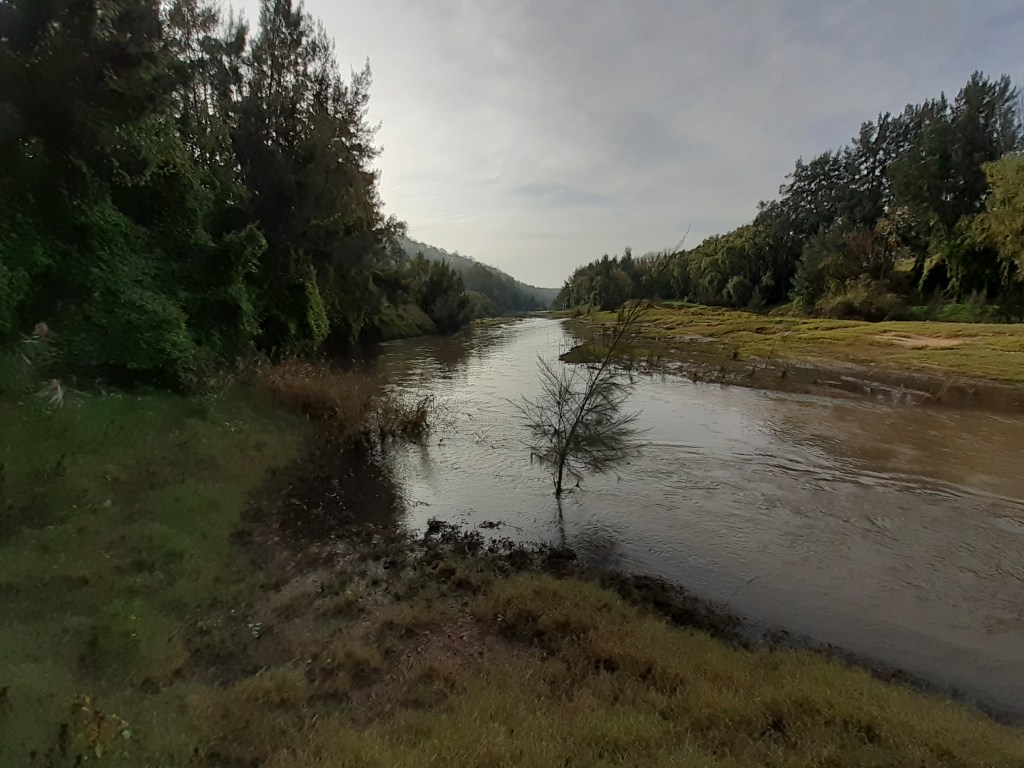
I am most grateful to have had the opportunity to experience such a place as a child on a regular basis, instilling as it did the value of setting aside time for solitude and contemplation. In the frantic demands for attention in an contemporary urban environment, it is comforting to know this continues to be a place to return to.
In one small manner my own experience contrasts with Yeats;
Nine bean-rows will I have there, a hive for the honey-bee,
And live alone in the bee-loud glade.
Part of the value of this place for me lies in the fact that all of my (many!) relatives will congregate here to share in this experience. Inherent to the sense of reflection I associate with this place is the connections it has built with family. The value of the place only grows the more it is shared! My grandmother’s diagnosis of cancer earlier this year has in a strange manner only heightened this appreciation, having become a very frequent visitor in recent months. Her tranquility in the face of such adversity stands a testament to the power of this place and the influence it holds. Such surroundings have been a balm in confronting the challenge of her condition.
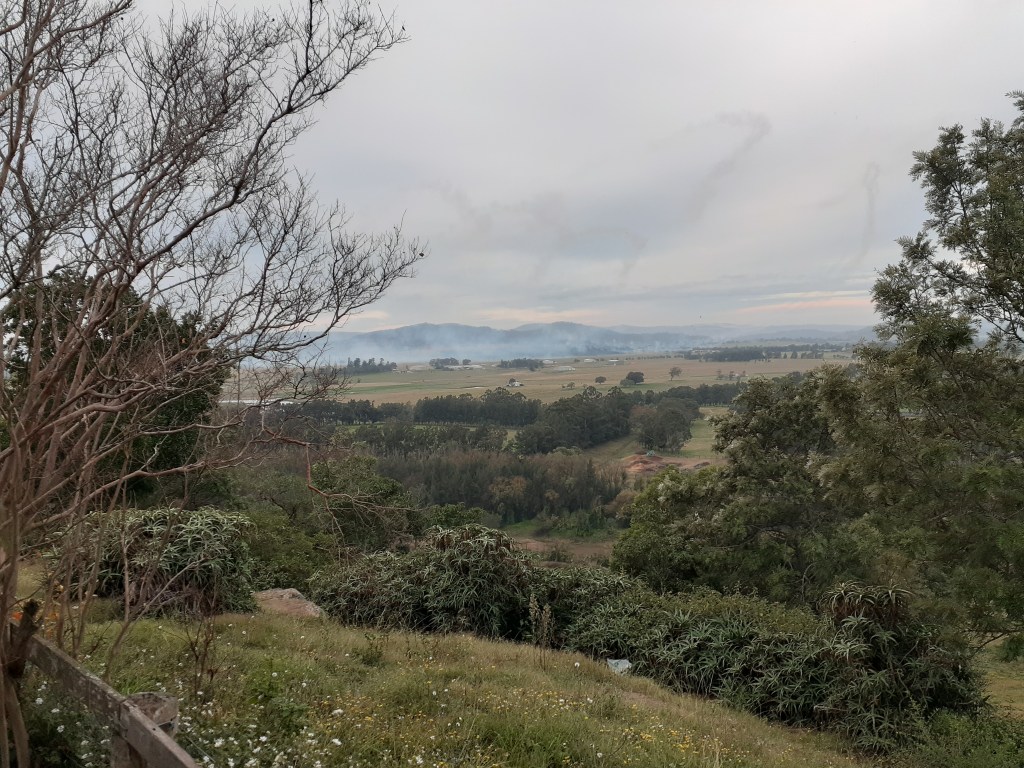
Photos credit Colman, Andrew. Photographs of Greta. 2016-2020. Author’s personal collection.
 Andrew Colman: Adventures in Literature


